How I Support My Kids' Immune Systems Through Daycare Season
Children in daycare are exposed to more bacteria and viruses than children cared for at home, and it is common for toddlers to experience six to eight illnesses per year in their first year of childcare. While frequent illness may be seen as a normal part of immune development, there are evidence-based and traditional approaches parents can use to support their child's resilience naturally. These include nutrient-dense whole foods, adequate sleep, daily time outdoors, gut health support, reducing unnecessary chemical and dietary burdens on the body, and traditional herbal remedies such as elderberry, which has a long history of use for immune support in children.

The cycle I know far too well
It started, the way it always does, with my eldest. She'd been at daycare about three weeks when she came home one Thursday with that particular glassy-eyed tiredness you learn to recognise. By Saturday she had a fever and a cough that rattled. By the following Wednesday, my hubby had it. Then me, right in the week I had the least room to be unwell.
I remember standing in the kitchen at 10am, rocking a hot, miserable baby who would not settle, a basket of washing I had not touched in days on the floor beside me, and a birthday party already cancelled on the calendar. It felt like we had been sick for a month, because we more or less had. One bug would clear and another would arrive a month later. That cycle, the relentless conveyor belt of it, is the thing daycare parents rarely get warned about.
I have been there. Plenty of times. And over the years, I have shifted from reacting to every illness to focusing on something different.
I stopped trying to prevent every illness
Here is what changed things for me. I stopped trying to prevent every single illness, because that is not a goal any parent can actually meet, and I started building foundations instead.
Children are meant to meet germs. That is how a young immune system learns and matures. The thing genuinely worth working towards, is a child whose body can deliver a strong response, move through an illness, and recover well. I believe its about developing resilience, rather than them being a sterile bubble.
Once I changed my approach, daycare season stopped feeling like a battle I was losing and it became something I could support my children throug by addressing the foundations. And those foundations are simple, even when they are not always easy.
How to support a child's immune system naturally
None of what follows is a quick fix, and I would be wary of anyone who promised one. These are six foundations I come back to again and again, drawn from both my nursing and health coach background and ten-odd years of trial and error as a mum. Build a few of them into the rhythm of your week and you give your child's body what it needs to do its job.
Start with what's on the plate
If I could only change one thing for a struggling immune system, it would be the food. The immune system runs on raw materials, and it needs zinc, iron, vitamin A, vitamin D, vitamin C, healthy fats and quality protein to function properly. None of that comes from a fortified cereal box or highly processed foods. It comes from real natural food.
In our house that looks like eggs most mornings, grass-fed meats, and slow-cooked bone broths that are rich in glycine, gelatin, and minerals. I add broth to soups, cook rice in it, and sometimes just give it to the kids in a cup when they are run down. Seasonal fruit and vegetables go on most plates, and if your family eats organ meats, even a small amount of beef liver hidden in a bolognese is one of the most nutrient-dense things you can feed a child. My kids actually eat beef liver by the capsule for an after breakkie treat.
Here is the uncomfortable truth I see often... Plenty of children are well-fed but undernourished. Their diets are rich in calories but poor in the nutrients an immune system actually draws on. I am not saying this to add to the guilt, because feeding children is genuinely hard, especially in a world with so many mixed signals about whats actually ok to feed them... Like just because the ceral box says it's 'high fibre' and 'high in iron' doesn't actually mean it's safe or healthy to feed to your kids.
Small, consistent shifts towards real food do more than any supplement will ever do and for all the mums that reach out asking for ideas I have put together some guides on nutrient-dense meals kids will actually eat if you want practical, tested ideas to start with.
And I also share a lot on my personal instagram page too, you can follow me here.

Look after the gut
This is the one most people underestimate. Roughly 70 percent of the body's immune tissue resides in the gut, in what is called the gut-associated lymphoid tissue. That's not fringe science, it is well-established immunology and when gut health suffers, immune resilience often suffers with it.
For families... supporting the gut is more achievable than it sounds. Where you can, include fermented foods: natural yoghurt, sauerkraut, kefir. For younger children who will not go near a forkful of sauerkraut, even tiny exposures count, so do not give up after one rejection. Prebiotic fibres matter just as much, and these come from everyday foods like onion, garlic, and leeks, which feed the beneficial bacteria already living in the gut.
The other half of gut health is what you reduce, and ultra-processed foods are the main culprit because they disrupt the microbiome over time. You do not need to overhaul everything overnight. A little more whole food, a little less packaged food, repeated over weeks, is what shifts things. Our gut health guide goes into more detail if this is the area you want to focus on first.
Get them outside
Children were not built to spend their days indoors, and their immune systems show it. Time outside gives them sunshine for vitamin D synthesis, fresh air, movement, and something most parents never think of as a benefit... dirt. Exposure to the microbes in soil and the natural world supports a more diverse microbiome, and a diverse microbiome is linked to stronger immune function.
This is the basis of what researchers call the hygiene hypothesis, the observation that children with more exposure to the natural environment tend to have lower rates of allergies and autoimmune conditions. My own experience matches it exactly. The more time my three spend climbing trees, digging in the garden with their bare hands, and playing barefoot outside, the better they do overall. Their sleep is better, their moods are better, and they seem to weather the 'daycare bugs' more easily.
You do not need a grand plan here either... A muddy backyard, a local park, bare feet on grass, an hour of unstructured outdoor play all works so well.

Protect their sleep
Sleep is one of the most underrated immune supports there is. During deep sleep, the body produces cytokines, which are proteins that help fight infection and inflammation. When sleep is cut short, even mildly, the body's ability to mount an immune response drops. A tired child is a more susceptible child.
The recommended amounts are worth knowing. Toddlers need around 11 to 14 hours per day including naps, and preschoolers need roughly 10 to 13 hours. Most children who are getting sick on repeat are also quietly overtired, and the two feed each other.
What works in our house is not really overcomplicated. Calm evening routines, consistent bedtimes, and learning to read the signs of overtiredness before it tips into a meltdown. When one of my kids starts becoming unwell, the first thing I look at is not what supplement to add. It is whether they are actually sleeping enough.
Ask what you can remove
This is the question almost nobody asks, and it is the one that changed the most for our family... and actually what inspired the birth of what is now Pachamama Medicina. Everyone wants to know what to add to boost immunity... I have now learned to also ask: what can I take away to improve immunity.
Excess sugar is the clearest example. Research has shown that a high dose of sugar can suppress the activity of white blood cells for several hours after it is eaten. That is a meaningful window when you consider how much sugar hides in everyday children's foods. Highly processed foods, artificial colours, and synthetic flavours all add to the load the body has to manage and detoxify from, taking energy away from repair, growth, and defence.
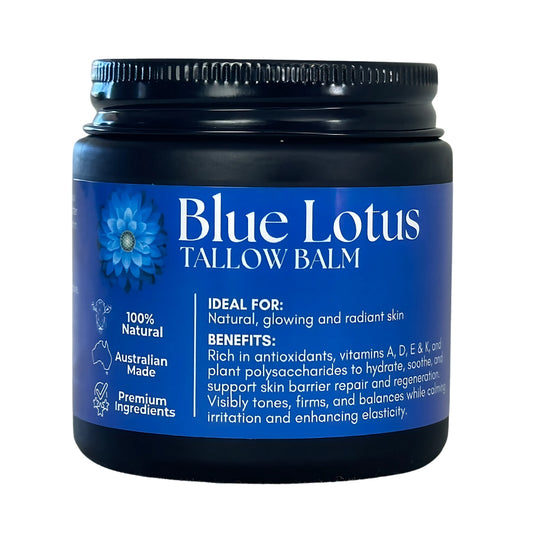
It goes beyond food, too. The body also has to process what goes on the skin and what fills the air at home. Synthetic fragrances, harsh cleaning products, and chemical-laden skincare all add to the total burden. The less unnecessary load a body carries, the more resources it has available for the work that matters. This is the whole philosophy behind everything we make at Pachamama Medicina, and it started long before we sold a single product... so to keep it simple, follow these three steps:
1. Read labels... (I've written a whole blog about how to do this here)
2. Choose simpler.
3. Remove what your child does not need.
Use herbal support the way families always have
Long before pharmacies, families turned to plants to support their health. This is not a new wellness trend either... It is traditional knowledge that modern families are simply rediscovering, and elderberry sits right at the heart of it.
Elderberries, from the plant Sambucus nigra, contain naturally occurring anthocyanins, the deep purple compounds that give the berries their colour, along with flavonoids and vitamin C. They have a long history of traditional use for immune support year round, particularly through autumn and winter. Families have reached for elderberry for generations, and many still do.
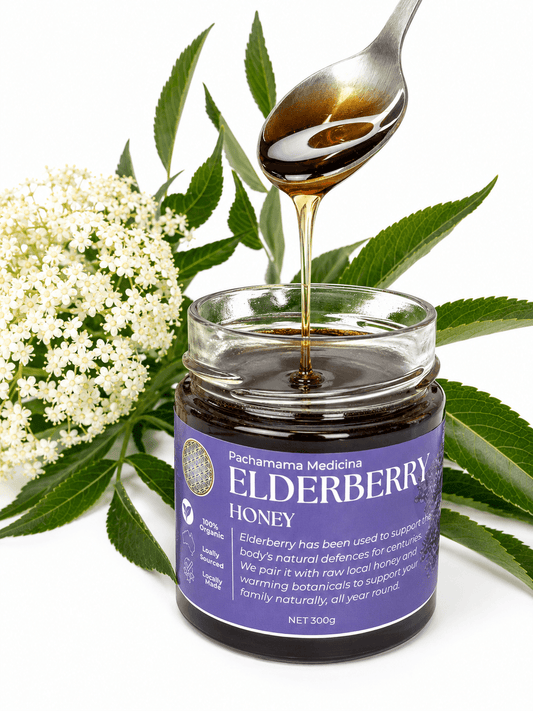
What almost nobody talks about is that the delivery method matters enormously. Mass-produced elderberry gummies often contain added sugars, artificial colours, and very little actual elderberry. Commercial elderberry syrups are usually a step up, though many are heat-processed in ways that can degrade some of the delicate plant compounds. Elderberry infused into raw honey is a different thing altogether. The elderberry provides the plant compounds, and the raw honey acts as a natural preservative and antimicrobial carrier, while the slow infusion draws out and protects those compounds over time.
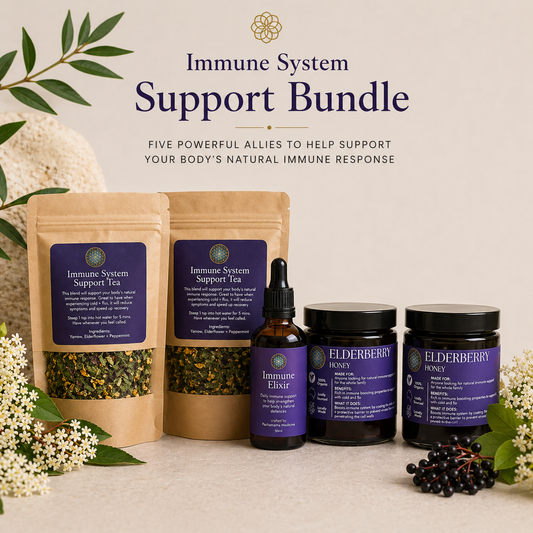
That is exactly why we created our Elderberry Honey. It combines elderberry with raw honey to make a simple ritual that many families use to support their health. A spoonful in the morning, stirred into warm water, or drizzled over toast. Our kids genuinely look forward to it and so do many others, which if you have ever fought a toddler over a supplement, you will know is no small thing. One important note: it's recommended that raw honey should never be given to children under 12 months of age, due to the risk of infant botulism. For little ones over one, it is a lovely place to start. If you want to read more, I wrote a full guide to elderberry honey for kids as well.
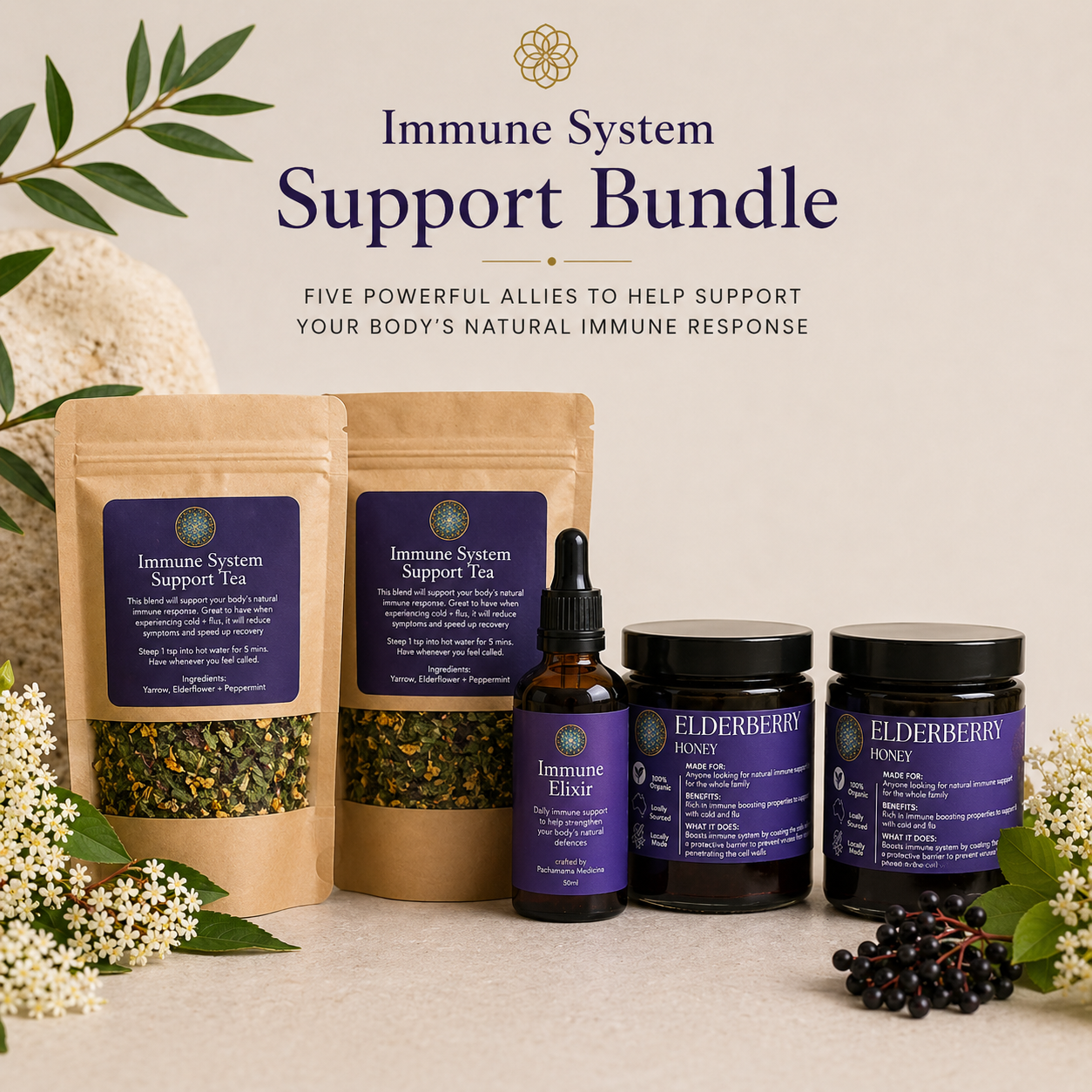
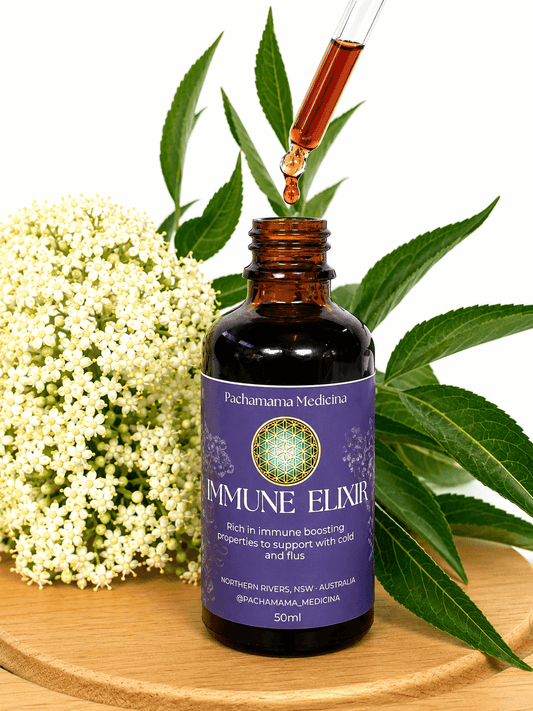
For the adults in the house, our Elderberry Immune Elixir offers a more concentrated herbal option, because let us be honest, when the kids bring it home, the parents typically get it too. And if you want to cover the whole family in one go, our Immune Bundle brings it all together.
I want to be clear about where these fit. The elderberry products we make are one piece of a bigger picture, they are not a magic fix, and nothing is... although, many people have reported big improvements within the first 24hrs (see more here). They are a traditional tool that sits alongside the food, the sleep, the outdoor time, and the lifestyle foundations that make the real difference.

It's not about perfection
If you take one thing from all of this, let it be this. The goal is not to raise children who never get sick. The goal is to support children who are resilient, who have the nutritional foundations, the lifestyle habits, and the support around them that let their bodies do what they were designed to do.
Immune health is not built from one supplement or one product. It is built from the foods we eat, the sleep we protect, the sunlight we absorb, the stress we ease, and the small daily choices that add up over a childhood. You will not get all of it right, and you do not need to.
You are doing a better job than you think. And if your little one comes home from daycare with a runny nose tomorrow, it is okay. Their body is learning. You are just giving it the best support you can.

Frequently Asked Questions
Why does my child keep getting sick at daycare?
Children in daycare are exposed to a wide range of bacteria and toxins their immune systems have not encountered before. It is common for toddlers at daycare to experience six to eight illnesses per year in their first year of childcare. This is often seen as a normal part of immune development. Research suggests children who live a healthier lifestyle tend to experience fewer illnesses as their immune systems are more resilient.
How can I boost my child's immune system naturally?
Supporting a child's immune system naturally involves consistent foundations rather than a single supplement. Prioritise nutrient-dense whole foods such as quality protein, healthy fats, and seasonal fruits and vegetables, support gut health through fermented and prebiotic-rich foods, ensure adequate sleep of 11 to 14 hours for toddlers, spend time outdoors daily, reduce processed foods and unnecessary chemical exposures, and consider traditional herbal supports like elderberry.
Is elderberry safe for toddlers?
Elderberry has a long history of traditional use for children's immune support. Elderberry honey and elderberry elixir are popular ways to incorporate elderberry into a child's routine. It's recommended that raw honey should not be given to children under 12 months of age. As with any new food or supplement, introduce it gradually and consult your healthcare provider if you have specific concerns.
What is the difference between elderberry elixir and elderberry honey?
Elderberry elixir is typically a more concentrated liquid herbal preparation. Elderberry honey is raw honey that has been infused with elderberry extract, combining the traditional immune-supporting properties of both elderberry and raw honey. Honey also acts as a natural preservative. Both can be used as part of an immune support routine for children over 12 months of age.
What foods support a child's immune system?
Foods that support children's immune function include those rich in zinc such as red meat, eggs, and pumpkin seeds, vitamin C from citrus fruits, capsicum, and berries, vitamin A from liver, sweet potato, and carrots, vitamin D from sunlight, oily fish, and eggs, and quality protein from grass-fed meats, eggs etc. Fermented foods like natural yoghurt and sauerkraut support gut health, which is closely linked to immune function. Bone broth provides glycine, gelatin, and minerals that support gut lining integrity.
When should I start immune support before daycare?
Building immune resilience is most effective as a consistent, ongoing practice rather than something started the week before daycare begins. Focusing on nutrient-dense foods, gut health, sleep, outdoor time, and reducing processed foods from an early age creates a strong foundation. Many families introduce elderberry honey or syrup as a ritual during the cooler months, when their child starts attending childcare or at the first sign of clod or flu.
Written by Mikaila, co-founder of Pachamama Medicina. Former nurse and health coach (14+ years), herbalist, and mum of three. Northern Rivers, NSW, Australia. This is general wellness information, not medical advice. Always consult your healthcare practitioner for advice specific to your child.